Skip to content

Conference Tracks

International Conference on Innovations in Computer Science & Engineering (ICICSE-2026) aims to provide a platform for researchers, scientists, academicians, technocrats, and engineers to exchange innovative ideas and research findings in the field of Computer Science & Engineering. The conference promotes excellence in research and its practical impact on academics and society.

The earlier editions of ICICSE received an overwhelming response, with hundreds of research papers and delegates from across the globe. In collaboration with Springer, selected papers were published in the LNNS Springer Series (Scopus Indexed) and special issues of reputed journals such as JICSE and JIIT (with ISSN numbers).

AREAS (Related Topics but not limited to)

PHOTO-2026-02-17-09-59-29

Data Science and Analytics focuses on extracting meaningful insights from structured and unstructured data.
It combines statistics, programming, and machine learning to analyze patterns and trends.
This helps organizations make data-driven decisions and improve performance.

PHOTO-2026-02-17-10-01-11

Data Warehousing and Data Mining focus on storing and analyzing large volumes of data.
A data warehouse organizes and integrates data from multiple sources for easy access and reporting.
Data mining then uncovers hidden patterns and insights to support smarter business decisions.


PHOTO-2026-02-17-10-02-11

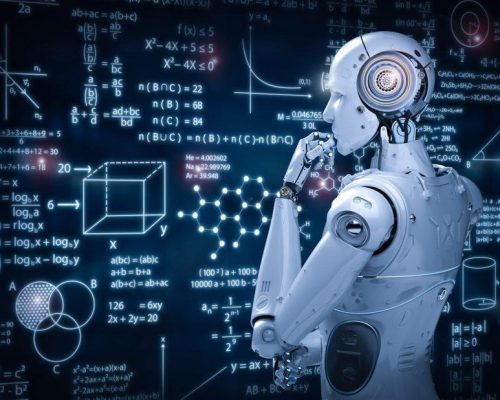
Machine Learning is a branch of artificial intelligence that enables systems to learn from data and improve automatically.
It uses algorithms to identify patterns, make predictions, and solve complex problems.
From recommendation systems to fraud detection, it powers many modern intelligent applications.

PHOTO-2026-02-17-10-05-07

Database Management focuses on efficiently storing, organizing, and retrieving data. It ensures data security, accuracy, and smooth handling of information across systems.


PHOTO-2026-02-17-10-07-18

Information Retrieval focuses on finding relevant information from large collections of data. It helps users quickly access accurate results from databases, search engines, and digital systems.


PHOTO-2026-02-17-10-08-10

Big Data deals with processing and analyzing extremely large and complex datasets. It helps organizations uncover valuable insights that traditional data tools cannot handle efficiently.

PHOTO-2026-02-17-10-08-50

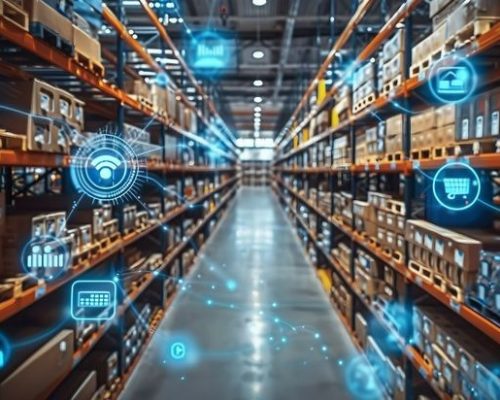
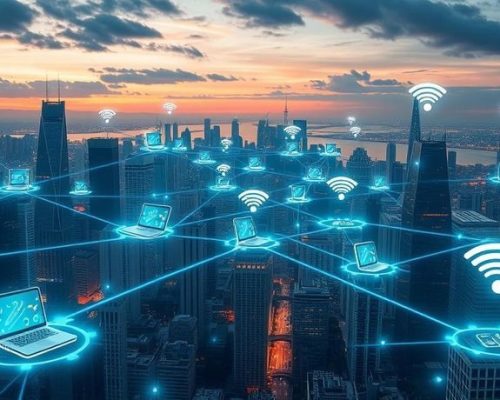
The Internet of Things (IoT) connects physical devices to the internet, enabling them to collect and exchange data. It allows smart devices like sensors, appliances, and vehicles to communicate and operate intelligently. IoT improves efficiency, automation, and decision-making across industries and everyday life.


PHOTO-2026-02-17-10-08-50

Cloud Computing delivers computing services like storage, servers, and software over the internet. It allows users to access data and applications anytime without relying on physical hardware. Cloud solutions improve scalability, flexibility, and cost efficiency for businesses and individuals.


PHOTO-2026-02-17-10-11-21

Grid Computing is a distributed computing model that connects multiple computers to work together as a single system. It shares resources across networks to solve large and complex computational problems efficiently. This approach improves processing power, resource utilization, and performance.

Brain Computing is an emerging field that studies how the human brain processes information to develop intelligent systems. It combines neuroscience, artificial intelligence, and cognitive science to create brain-inspired technologies. This approach aims to build more adaptive and efficient computing models.


PHOTO-2026-02-17-10-15-39

Image Processing involves analyzing and enhancing digital images using computational techniques. It is used to improve image quality, extract important features, and detect patterns. Applications include medical imaging, facial recognition, and computer vision systems.

PHOTO-2026-02-17-10-16-21

Media Design focuses on creating visually engaging digital content using graphics, animation, video, and interactive elements. It blends creativity and technology to communicate ideas effectively across various platforms. Media design plays a key role in branding, marketing, and user experience.

PHOTO-2026-02-17-10-16-45

Virtual Reality (VR) creates immersive digital environments that simulate real or imagined experiences. It allows users to interact with 3D worlds using specialized devices like headsets and controllers. VR is widely used in gaming, training, education, and simulations.

PHOTO-2026-02-17-10-17-24

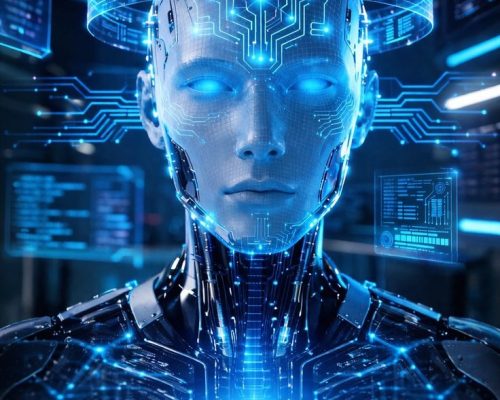
Artificial Intelligence (AI) enables machines to mimic human intelligence and perform tasks like learning, reasoning, and problem-solving. It uses algorithms and data to make decisions and improve over time. AI powers applications such as chatbots, recommendation systems, and autonomous systems.

PHOTO-2026-02-17-10-17-54

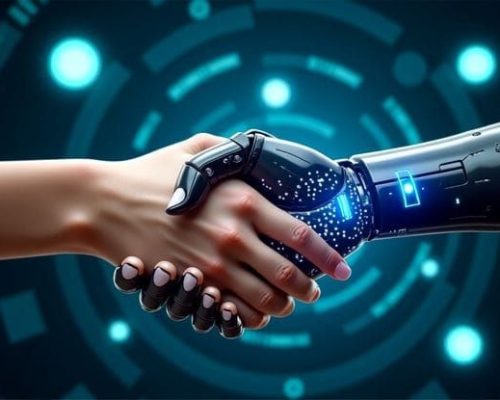
Human–Machine Interaction focuses on designing systems that enable effective communication between humans and computers. It improves usability, accessibility, and user experience across digital platforms. This field plays a key role in developing intuitive interfaces and smart interactive systems.

PHOTO-2026-02-17-10-19-49

Web Services enable communication and data exchange between applications over the internet. They allow different systems to interact seamlessly using standardized protocols. Web services support integration, scalability, and efficient online functionality.


PHOTO-2026-02-17-10-20-33

E-commerce refers to the buying and selling of goods and services over the internet. It enables secure online transactions, digital payments, and global market access. E-commerce platforms help businesses expand reach and enhance customer convenience.


PHOTO-2026-02-17-10-21-54

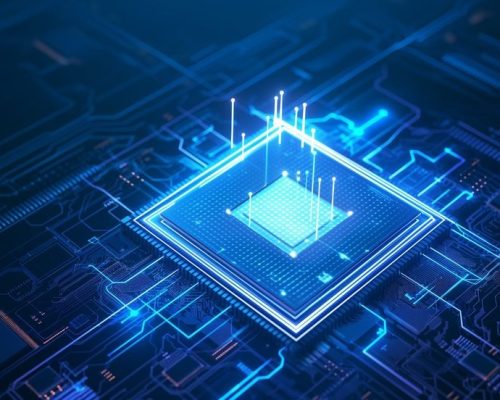
VLSI (Very Large Scale Integration) involves designing and fabricating integrated circuits by combining millions of transistors onto a single chip. It enables the development of compact, high-performance electronic devices. VLSI technology is fundamental to modern processors, memory systems, and embedded hardware.

PHOTO-2026-02-17-10-22-44

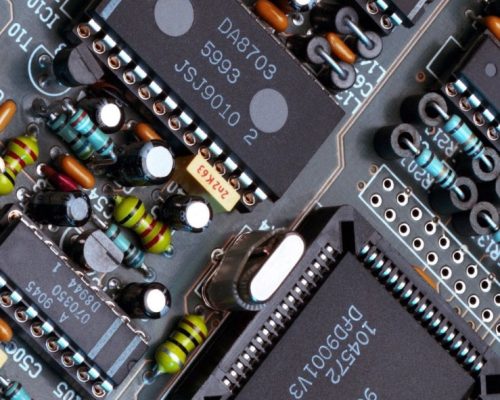
Embedded Systems are specialized computing systems designed to perform dedicated functions within larger devices. They integrate hardware and software to operate efficiently and reliably in real-time environments. Embedded systems are widely used in appliances, automobiles, medical devices, and consumer electronics.


PHOTO-2026-02-17-10-23-48

Security and Cryptography focus on protecting data and communication from unauthorized access. Cryptography uses encryption techniques to ensure confidentiality, integrity, and authenticity of information. This field is essential for securing networks, online transactions, and digital systems.

PHOTO-2026-02-17-10-27-50

Wireless and Sensor Networks consist of interconnected sensor devices that communicate wirelessly to monitor and collect data. They are used to track environmental conditions, health parameters, and industrial processes in real time. These networks enable efficient data transmission and smart system automation.

Mobile and Ubiquitous Computing focuses on enabling seamless access to computing services anytime and anywhere. It integrates mobile devices, wireless communication, and smart technologies to create connected environments. This field supports real-time interaction and enhances user convenience in daily life.

PHOTO-2026-02-17-10-29-18

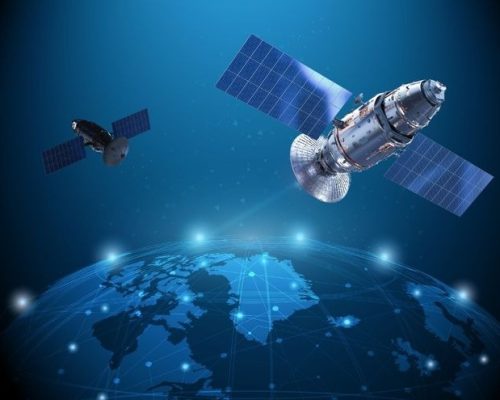
Satellite Communications enable long-distance transmission of data, voice, and video through orbiting satellites. They provide reliable connectivity for broadcasting, navigation, and remote areas. This technology plays a vital role in global communication and space-based systems.

PHOTO-2026-02-17-10-30-00

Global Information Systems integrate technology and data across international boundaries to support worldwide operations. They enable organizations to manage communication, resources, and decision-making on a global scale. These systems ensure efficient coordination and information flow across countries.

PHOTO-2026-02-17-10-32-39

Parallel Architecture refers to computer system designs that use multiple processors to perform tasks simultaneously. It improves computational speed and efficiency by dividing complex problems into smaller parts. This architecture is widely used in high-performance computing and large-scale data processing.

PHOTO-2026-02-17-10-35-39

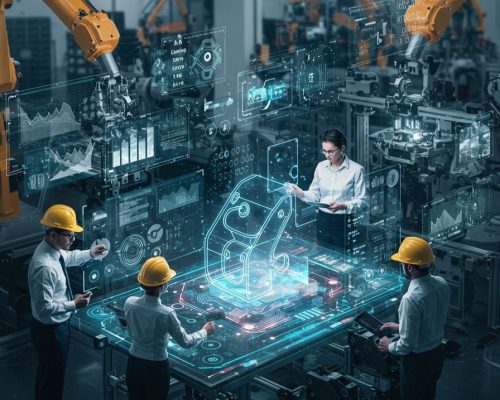
Computing Robotics and Control focuses on designing intelligent robotic systems that can sense, decide, and act autonomously. It integrates algorithms, sensors, and control mechanisms to ensure precise and reliable operation. This field plays a key role in automation, manufacturing, and advanced robotic applications.

PHOTO-2026-02-17-10-36-57

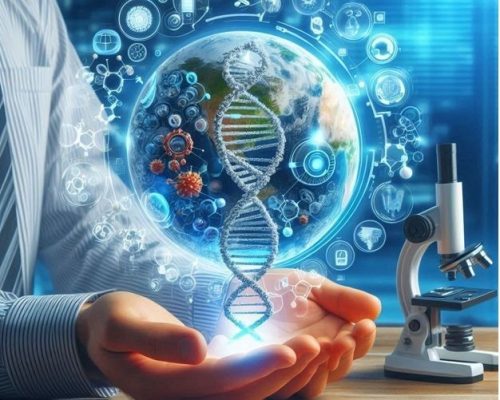
Bioinformatics and Software combines biology, computer science, and data analysis to interpret complex biological data. It supports research in genomics, drug discovery, and healthcare through computational tools. This field enables efficient management and analysis of large-scale biological information.

PHOTO-2026-02-17-10-39-00

Engineering applies scientific and mathematical principles to design, develop, and improve systems, structures, and technologies. It focuses on solving real-world problems through innovation and practical implementation. Engineering plays a vital role in advancing industries and improving everyday life.


PHOTO-2026-02-17-10-40-51

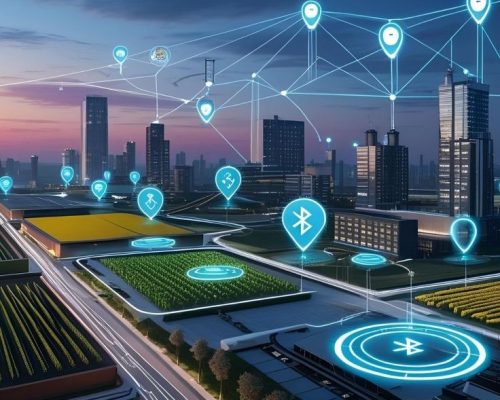
Sensor Networks consist of interconnected sensors that collect and transmit data about environmental or system conditions. They enable real-time monitoring and analysis in applications like healthcare, agriculture, and smart cities. These networks improve automation, efficiency, and informed decision-making.

Control Systems are designed to manage and regulate the behavior of machines and processes. They use feedback and automation techniques to maintain stability, accuracy, and efficiency. Control systems are widely used in industries, robotics, and engineering applications.